What Is Behavioral Therapy for Autism? Let's Break It Down
If you've recently heard the words "behavioral therapy for autism" and felt a mix of curiosity and overwhelm — you're not alone. Most parents we talk to have done a lot of Googling before they ever reach out to us, and come away with more questions than answers.
So let's simplify it.

Connection is where learning begins — and it's at the heart of everything we do at Ovation.
Behavioral Therapy and ABA — Are They the Same Thing?
Kind of, but not exactly. "Behavioral therapy for autism" is a broad term that refers to any therapy grounded in the science of behavior — how we learn, what drives our actions, and how we can build new skills over time.
Applied Behavior Analysis, or ABA, is the most researched and widely used form of behavioral therapy for children with autism. When most people say "behavioral therapy" in the context of autism, they're usually talking about ABA — even if they don't realize it.
So What Does ABA Actually Do?
At its core, ABA helps children learn skills and reduce behaviors that are getting in the way of their daily life.
That might look like:
Learning to communicate wants and needs
Building social skills with peers
Developing independence in daily routines like getting dressed or eating
Reducing challenging behaviors like hitting, elopement, or meltdowns
Preparing for a classroom setting
ABA works by breaking big skills down into smaller, teachable steps — and then creating lots of opportunities to practice those steps in a way that's meaningful and motivating for your child specifically.
What Makes ABA Different From Other Therapies?
A few things set ABA apart:
It's data-driven. Your child's progress is measured consistently so that clinical decisions are based on actual evidence, not gut feelings. If something isn't working, we know — and we adjust.
It's individualized. A good ABA program is built around your child's unique strengths, needs, and goals. It's not a curriculum. It's not a one-size-fits-all hourly prescription. It's a plan that evolves with your child.
It includes you. Parent training is a core part of ethical ABA — not an add-on. Because the goal is for skills to show up in your living room, at the grocery store, and on the playground — not just during therapy sessions.
What Does a Session Actually Look Like?

Intentional and structured — but it doesn't feel that way to your child. That's the goal.
This is one of the questions I get most often — and I think it surprises a lot of families.
ABA therapy doesn't look like flashcards and drills. At least, it shouldn't. Modern, naturalistic ABA is woven into play, conversation, and everyday activities. A session might look like building with blocks, playing pretend, working through a snack routine, or practicing back-and-forth conversation during a game.
The learning is intentional and structured — but it doesn't feel clinical. That's the point.
Is Behavioral Therapy Right for My Child?
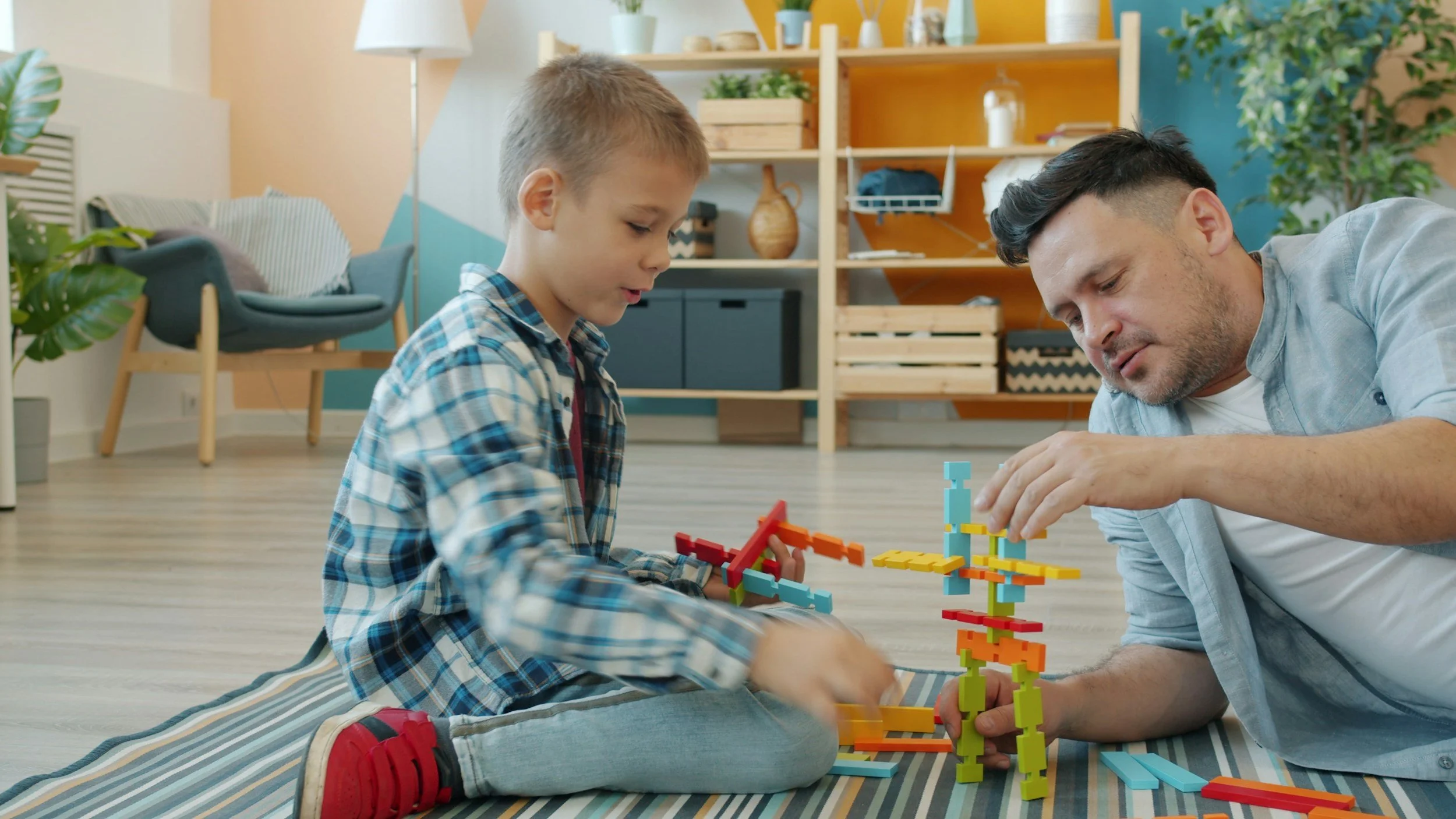
Play-based learning in action — because the best therapy doesn't always look like therapy.
ABA therapy is most commonly recommended for children with an autism spectrum disorder diagnosis, though it can also support children with other developmental delays or behavioral challenges.
The best way to know if it's the right fit is to start with an assessment. A Board Certified Behavior Analyst (BCBA) will observe your child, gather information from your family, and recommend a plan based on what your child actually needs — not a standard package.
At Ovation, we offer both in-home ABA therapy and a center-based school readiness program for children ages 2–6 in Cranford, NJ. We work with families across Union, Somerset, Middlesex, Mercer, and Camden Counties, and we accept most major insurance plans including Horizon, Aetna, Cigna, and Medicaid.
If you're trying to figure out whether behavioral therapy for autism is the right next step for your family — we're happy to talk it through with you before you ever fill out a form.
Schedule a call with us here or start our intake form when your’e ready.
The information in this post is general in nature and is not a substitute for individualized clinical guidance. Always consult your child's healthcare team and BCBA when making decisions about treatment.