Does My Child Really Need 40 Hours of ABA? A Clinical Look at Individualized Care
If you’ve started looking into ABA therapy in Cranford, NJ or Camden County, NJ with Ovation Behavior Group, you’ve likely encountered a specific recommendation (or requirement): 30 to 40 hours per week.
That frequency is significant. It represents a major commitment of time, energy, and coordination for your family. It’s natural to wonder whether that much time is truly necessary for your specific situation, or whether there are other ways to reach your goals.
At Ovation Behavior Group, we believe in being transparent about where these recommendations come from and why individualized clinical necessity is the only ethical way to provide care.
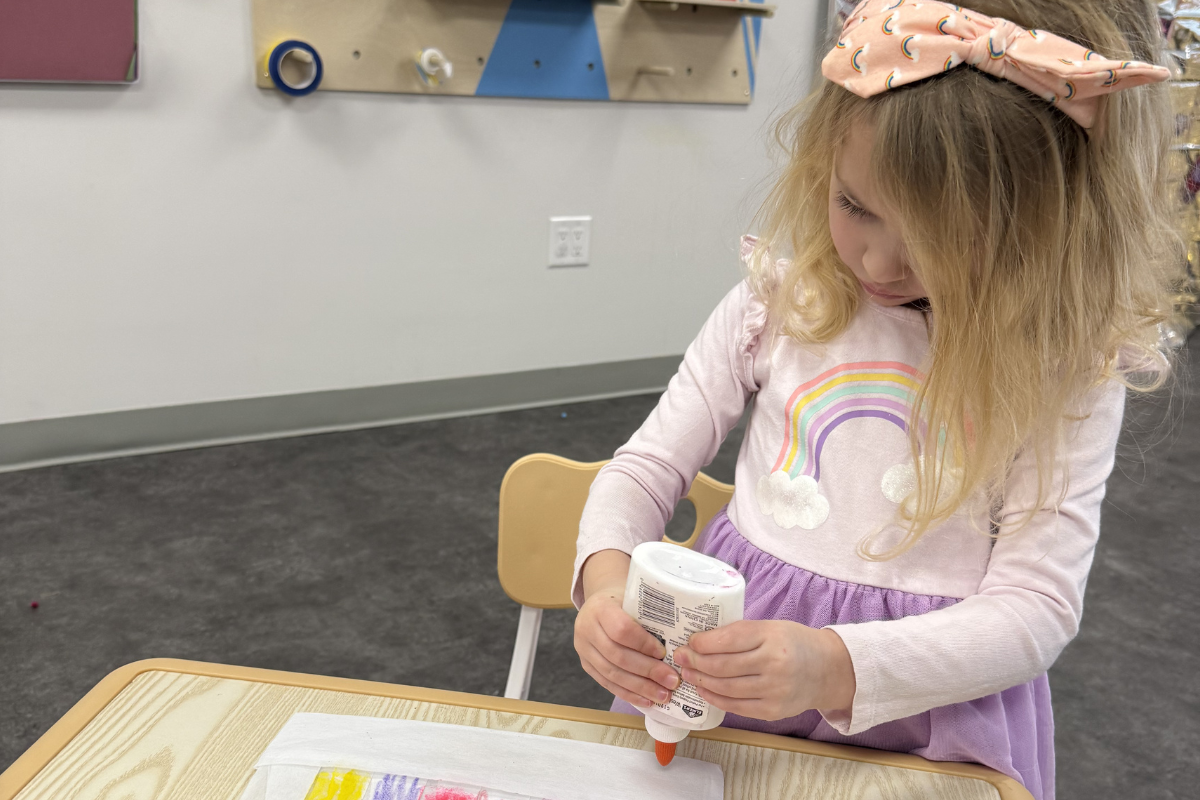
Building fine motor skills through simple, hands-on activities
Where the 40-hour recommendation comes from
The recommendation for 30 to 40 hours per week isn’t arbitrary. It comes from decades of research showing that high-intensity, early intervention can lead to meaningful outcomes.
This research remains an important part of our field because it helped establish what’s possible when support is consistent and purposeful. For many individuals, this level of intensity can be a highly effective path toward reaching their fullest potential.
At the same time, a modern and ethical approach recognizes that every child is different. While 40 hours may be clinically appropriate for some, "intensity" isn’t just about the number of hours on a clock. It’s also about the quality of learning happening during those hours.
Our approach to finding the right rhythm
While we don’t believe in one-size-fits-all hourly requirements, we know ABA therapy relies on consistency to be effective.
Applied Behavior Analysis is the science of how people learn. In everyday life, we repeat behaviors that work for us and stop doing the ones that don’t. In the clinical setting, the frequency of ABA sessions helps create more opportunities to build and strengthen meaningful skills.
Building the foundation with 3 sessions per week
For new clients, a three-session minimum is often our starting point. It provides enough consistency to support progress without overwhelming a family’s schedule. It also helps us avoid spending every session simply reviewing what was learned before.
Once we establish a strong foundation, we continue to assess whether additional sessions would be beneficial based on your child’s progress and needs.
Accelerating progress with 5 sessions per week
In our clinical experience, we often see the strongest and most consistent results when a child is seen five days per week. This daily rhythm allows us to capture teachable moments in real time, helping skills develop more quickly and carry over more naturally with in-home ABA therapy.
As with all of our programs, we continuously monitor this frequency to make sure it remains the most effective and appropriate dosage for your child’s current goals.
Working ourselves out of a job
Perhaps the most important thing for parents to know is this: ABA isn’t meant to last forever.
The goal of an ethical ABA program is to plan for a thoughtful fade-out over time. We don’t want your child to depend on a therapist. We want your child to be successful without us.
As your child gains independence and masters goals, we actively look for ways to reduce support. That might mean moving from five days a week to three, or transitioning from one-to-one support to group settings or school-based consultation.
We celebrate success when our support is no longer needed because your child has the tools to navigate their world independently.
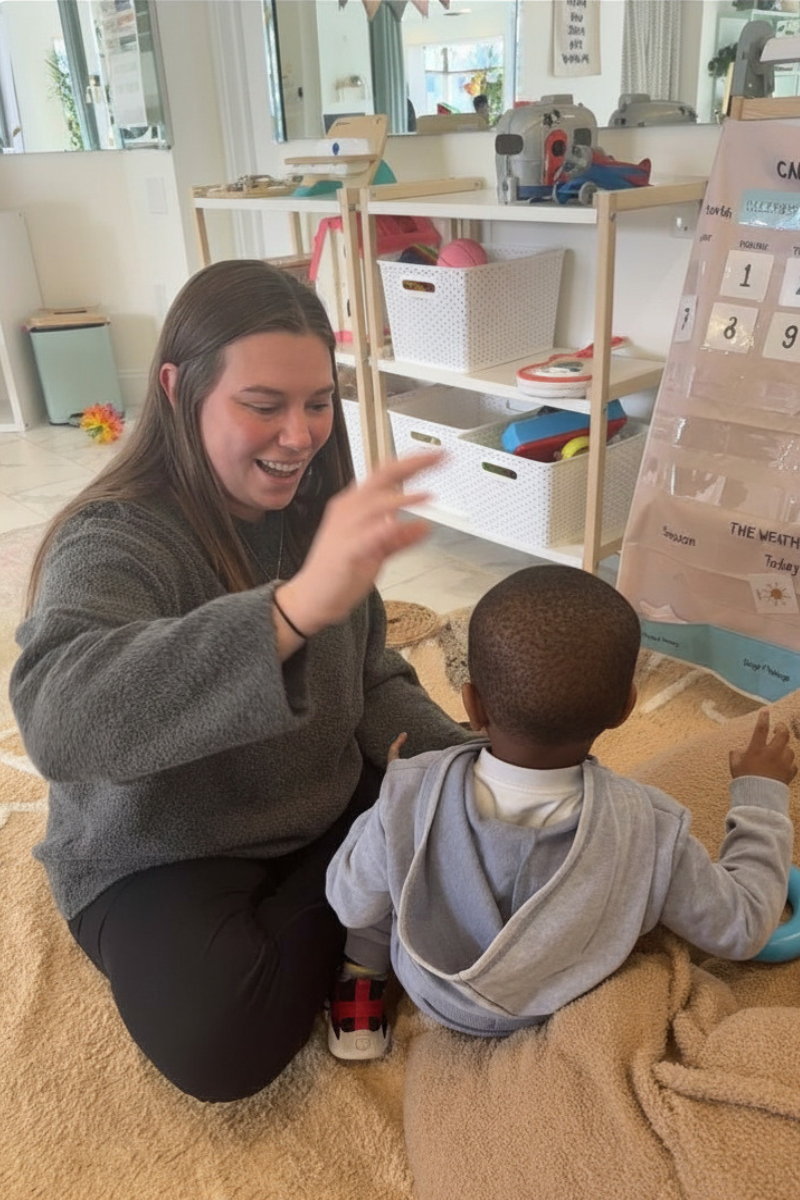
Connection first, then learning—ABA therapy through play
Clinical ethics matter
If a provider tells you they have a 30-hour minimum for all clients, that’s a reason to pause. 🚩
Ethical care starts with a simple question: What does this specific child need to succeed right now? It should never be about what fits a business model. While higher hours can absolutely be clinically justified and supported by evidence, they should always be based on your child’s data and your family’s unique needs.
A truly individualized plan, like our center-based ABA therapy programs, also considers the bigger picture. A thoughtful recommendation should take into account your child’s school day, related services like speech therapy or occupational therapy, and other community supports. ABA should never be based on a preset hourly mandate that ignores the rest of a child’s world.
Focus on meaningful change
At its core, ABA is about giving children the tools to navigate their world. That means prioritizing skills that make the biggest difference in daily life, with strategies that work just as well in your living room as they do anywhere else.
Sometimes that requires the intensity of 40 hours. Sometimes it requires the steady rhythm of five days a week. And always, it requires a plan to fade support over time.
Our perspective
The original research on intensive intervention remains an important part of our field because it helped establish what’s possible when support is consistent and purposeful. At Ovation Behavior Group, we value that research and the standard it set, while also believing that every child deserves an individualized plan built around their needs, strengths, and goals.
If you’re trying to determine what makes sense for your child’s unique path in Cranford or Camden County, NJ, let’s talk. We’re here to offer clarity, answer questions, and help you make an informed decision.
Ready to explore ABA therapy options in Cranford or Camden County, NJ? Fill out our intake form to get started with Ovation Behavior Group.
Want to learn more first? Schedule a chat.
note: The session recommendations in this blog are general guidelines, not individualized plans. Always consult your child's healthcare team before making changes to their programming.